


Ernesto Kenji Igarashi reveals that today’s corporate and institutional security landscape demands agile and assertive responses. In environments characterized by high complexity and unpredictability, operational leadership faces the constant challenge of making decisions under pressure, often in high-risk contexts and with incomplete information.
In this regard, mastering specific techniques and maintaining strong mental preparedness become crucial factors for the success of critical operations. Leadership during crisis situations is not an innate ability but rather a set of skills that can be developed and refined.
Continue reading to discover how recurring mistakes in risk management still expose weaknesses in decision-making under pressure, potentially compromising strategic outcomes and the integrity of operational teams.
What Are the Main Challenges of Operational Leadership in Extreme-Risk Scenarios?
First and foremost, it is essential to understand the environment in which operational leadership operates during critical situations. Ernesto Kenji Igarashi explains that the risks inherent to these operations are not limited to direct threats but also stem from the complexity of the variables involved, ranging from terrain dynamics to interactions with multiple stakeholders.
In this context, time pressure and the need for immediate decisions place a significant psychological burden on leaders. Furthermore, the volatility of available information can create a paralyzing effect known as the “paradox of choice,” where an excess—or lack—of reliable data makes it difficult to accurately assess situations and determine the best course of action.
How Do Technical and Psychological Preparation Enhance Decision-Making Under Pressure?
Ernesto Kenji Igarashi demonstrates that preparation cannot be limited to training in operational protocols. It must also include exercises that simulate high-pressure and hostile environments, allowing leaders to become familiar with stress and uncertainty. Applied security intelligence tools, such as predictive analytics systems and virtual scenario simulations, are essential allies in this preparation process.
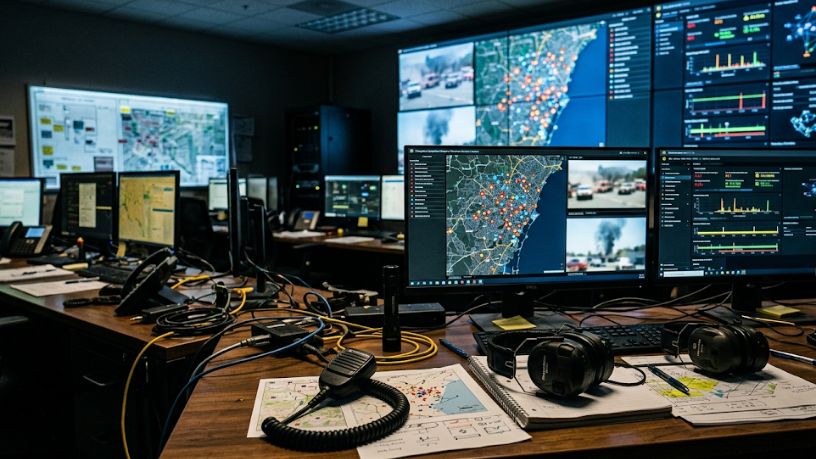
At the same time, developing emotional resilience and cognitive control is indispensable. Mindfulness techniques, stress management practices, and rapid decision-making methods based on proven frameworks help professionals maintain mental clarity and focus.
Organizational Culture Impacts the Effectiveness of Operational Leadership in Risk Situations
An organization’s security culture directly influences the quality of operational leadership, especially when decision-making under pressure is required. Ernesto Kenji Igarashi emphasizes that environments that promote transparency, effective communication, and proactive behavior create favorable conditions for leaders to act with confidence and speed.
Conversely, rigid organizational cultures or those that fail to value learning from mistakes tend to perpetuate ineffective practices and increase operational risks. Prevention, continuous training, and the appreciation of human capital are fundamental pillars for strengthening this culture, ensuring that teams are prepared to face contingencies with competence and safety.
The Future of Operational Leadership in the Face of Emerging Security Challenges
The constant evolution of risks and the growing complexity of operations require operational leadership that is increasingly integrated, flexible, and technologically advanced. Ernesto Kenji Igarashi concludes that the future of this field lies in continuous professional development, the cultivation of adaptive leadership, and the incorporation of strategic intelligence into decision-making processes.
Moreover, the expansion of an institutional security culture, combined with the responsible use of technological innovations, promises to enhance organizational responsiveness and resilience. In light of this, the coming decades are expected to be marked by an operational leadership model that combines technical expertise, emotional intelligence, and strategic vision, establishing new standards of excellence in security management.
Author: Diego Rodríguez Velázquez