

By using this site, you agree to the Privacy Policy and Terms of Use.
Accept
EUA press EUA press EUA press
  • Home
  • Technology
    TechnologyShow More
    Mão humana interagindo com uma mão robótica sobre um teclado, em meio a conexões digitais
    U.S. and Russia clash with treaty push over lethal autonomous weapons
    November 16, 2026
    Braço robótico ao lado de máquinas em uma moderna instalação de manufatura industrial.
    White House Targets Robotics and Industrial Machinery Imports in New Trade Move
    October 30, 2026
    Técnico aprimora um modelo odontológico impresso em 3D em um laboratório.
    Brazil expands digital denture production across public health system
    October 9, 2026
    Protótipo de aeronave elétrica eVTOL com hélices exposto em ambiente interno.
    Brazil prepares rules and infrastructure for electric eVTOL aircraft
    October 5, 2026
    Gabinetes metálicos com servidores, equipamentos de rede e cabos em um data center moderno.
    Brazil’s Redata Enters Decisive Phase as Government Defines Data Center Rules
    October 2, 2026
  • News
    NewsShow More
    Fachada frontal da Suprema Corte dos Estados Unidos, em Washington, sob céu azul e com nuvens.
    Supreme Court to Examine Trump Order Restricting Asylum at Southern Border
    November 20, 2026
    Jean Pierre Lessa e Santos Ferreira
    Do AI Workloads Need the Same Infrastructure as a Regular System?
    November 19, 2026
    Criança recebe uma vacina aplicada por um profissional de saúde em ambiente interno.
    U.S. Measles Transmission Returns After Surge in 2026 Cases
    November 19, 2026
    Fachada da Suprema Corte dos Estados Unidos em Washington, D.C., com colunas neoclássicas.
    Supreme Court Takes Up Trump Order Restricting Asylum at Southern Border
    November 18, 2026
    Navio porta-contêineres da Evergreen sendo carregado no Porto de Baltimore, nos Estados Unidos.
    A Democratic Congress could challenge Trump’s Brazil tariffs, but reversal may take time
    November 17, 2026
  • Business
    BusinessShow More
    Navio-tanque navegando em águas calmas durante o crepúsculo.
    Russian Diesel Tanker Rerouted Toward Brazil as U.S. Import Plan Faces Legal Uncertainty
    November 11, 2026
    Equipe diversa de trabalhadores colaborando em um moderno ambiente de call center.
    September Job Openings Signal Continued Resilience in the U.S. Labor Market
    November 5, 2026
    Composição de papel com cédulas de dólar entre moedas, ações financeiras e um gráfico curvo.
    U.S. Economy Accelerates to 3.4% Growth in Third Quarter
    November 2, 2026
    Fource Consultoria
    A Solid Company, a Confusing Presentation: Fource Consultoria Perspective
    October 30, 2026
    Exterior do Federal Reserve em Washington, visto de baixo, com bandeiras dos Estados Unidos e uma escadaria.
    October Fed Meeting Brings U.S. Rates and Brazil’s Dollar Outlook Into Focus
    October 29, 2026
  • About Us
Reading: Russian Diesel Tanker Rerouted Toward Brazil as U.S. Import Plan Faces Legal Uncertainty
Share
Font ResizerAa
EUA press EUA press
Font ResizerAa
  • Home
  • Technology
  • News
  • Business
  • About Us
  • Home
  • Technology
  • News
  • Business
  • About Us

Home » Russian Diesel Tanker Rerouted Toward Brazil as U.S. Import Plan Faces Legal Uncertainty

Business

Russian Diesel Tanker Rerouted Toward Brazil as U.S. Import Plan Faces Legal Uncertainty

Ensaio EUA Imprensa
Ensaio EUA Imprensa
November 11, 2026
Share
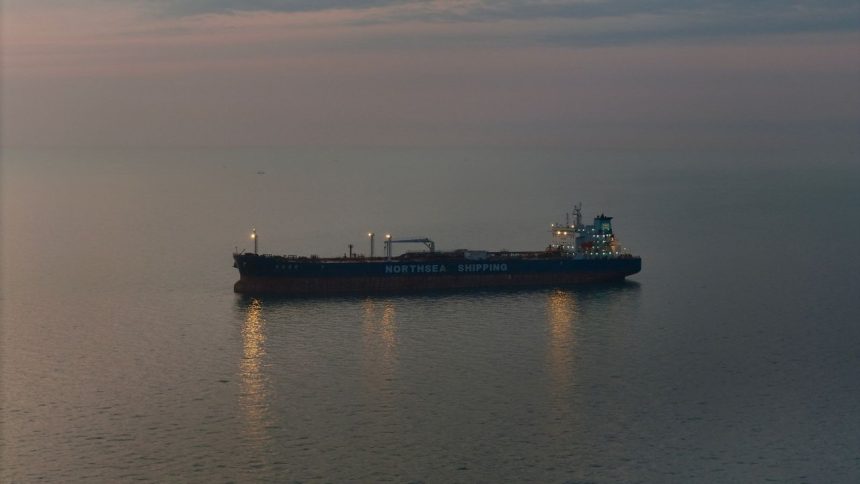
Navio-tanque navegando em águas calmas durante o crepúsculo.
SHARE

A tanker initially associated with a plan to bring Russian diesel into the United States has changed course toward Brazil, adding uncertainty to an effort by the Donald Trump administration to ease the entry of Russian fuel into the American market. A second tanker linked to the plan is heading toward the Mediterranean, according to the Associated Press.

Contents
Why the tankers changed courseBrazil emerges as an alternative destinationSanctions and the broader U.S. policy contextImplications for U.S. energy policy and Brazil

The route changes came after federal and state authorities raised concerns about possible legal consequences connected to receiving and moving the fuel inside the United States. The development highlights the challenges facing Washington as it seeks greater flexibility in energy trade while restrictions on Russian commodities remain tied to the war in Ukraine.

For Brazil, the episode places the country in the middle of a dispute involving sanctions, maritime logistics and U.S. energy policy. The available information indicates that one tanker is moving toward Brazil, but does not establish that the diesel has been unloaded in the country.

Why the tankers changed course

The vessels were connected to a plan that could have allowed Russian diesel to enter the United States. Their movement changed after government officials warned that the transactions could create legal exposure for companies involved in receiving or handling the cargo on American territory.

The warnings illustrate how the practical operation of an energy shipment can be affected by more than the availability of a buyer or a port. Even when the White House supports a policy shift, companies, state authorities and federal agencies may still face questions involving sanctions, transportation and compliance with U.S. law.

According to the Associated Press report, one tanker turned toward Brazil while the other headed for the Mediterranean. The change does not by itself confirm a completed sale or delivery, but it suggests that the original route to the United States encountered significant obstacles.

Brazil emerges as an alternative destination

Brazil’s appearance as a possible destination reflects its role in the international fuel market and its access to maritime trade routes. A cargo that was initially connected to the U.S. market may be redirected when legal or commercial conditions make the original destination more difficult.

For Brazilian consumers and businesses, the main relevance is the potential effect of international diesel flows on fuel availability, freight costs and transportation expenses. Diesel is central to road freight and other commercial activity, so changes in global supply routes can influence costs even when a specific shipment is not confirmed as delivered.

The case also places attention on the diplomatic dimension of energy trade. A shipment involving Russian fuel can affect relations among the United States, Brazil and other countries that participate in the purchase, transportation or regulation of petroleum products.

Sanctions and the broader U.S. policy context

The route dispute is unfolding against a broader effort by Washington to pressure countries that continue buying Russian energy. The White House Executive Order 14436 establishes tariff-related measures involving countries that make new purchases of Russian-origin crude oil or natural gas.

The executive order provides regulatory context for the uncertainty surrounding Russian energy shipments, although it does not specifically identify the tanker cargo described by the Associated Press. Its existence shows how energy purchases can carry consequences beyond the price of the fuel, including trade measures and increased scrutiny of companies and governments involved in the transactions.

That environment makes the movement of Russian diesel more complicated for importers. A shipment may require coordination among vessel operators, traders, port authorities, financial institutions and governments. Any change in the interpretation or enforcement of restrictions can alter the commercial route of a cargo already at sea.

Implications for U.S. energy policy and Brazil

The episode raises questions about the limits of a policy designed to expand access to fuel while maintaining pressure on Russia. Allowing Russian diesel into the United States could increase supply options for American buyers, but the plan also faces legal and diplomatic constraints that may deter companies from participating.

For Brazil, the immediate issue is not a confirmed new supply arrangement but the possibility that the country could receive cargoes redirected from the U.S. market. If similar diversions occur, they could add another variable to regional fuel trade and to the decisions of companies that manage imports, storage and distribution.

The tanker movements therefore connect Washington’s sanctions policy with Brazil’s position in global energy commerce. They also show how decisions made in the United States can affect shipping routes and commercial expectations far beyond American ports, particularly when Russian commodities remain subject to restrictions and political pressure.


Share This Article
Facebook Email Print
Previous Article Gianmarco Marchetti Water Heating in Hotels and the Myths About Hot Showers
Next Article Montanhas escarpadas cobertas por floresta na cordilheira Wasatch, em Utah, sob o céu claro. Trump Plan Puts U.S. Public Lands at the Center of a New Federal Power Fight
Fachada frontal da Suprema Corte dos Estados Unidos, em Washington, sob céu azul e com nuvens.
Supreme Court to Examine Trump Order Restricting Asylum at Southern Border
News
Jean Pierre Lessa e Santos Ferreira
Do AI Workloads Need the Same Infrastructure as a Regular System?
News
Criança recebe uma vacina aplicada por um profissional de saúde em ambiente interno.
U.S. Measles Transmission Returns After Surge in 2026 Cases
News
Fachada da Suprema Corte dos Estados Unidos em Washington, D.C., com colunas neoclássicas.
Supreme Court Takes Up Trump Order Restricting Asylum at Southern Border
News

Euapress: Your daily dose of global news, delivered straight to your inbox. Stay informed on the latest events shaping our world.

Sergio Bento de Araujo
Educational Fairs and Innovation: What Events Like Bett Brasil Reveal About the Future of Education
News
Crianças carregam recipientes de água por uma rua de Gaza.
Gaza’s aid system faces a funding shortfall as peace plan stalls
News
EUApress - [email protected]
Welcome Back!

Sign in to your account

Username or Email Address
Password

Lost your password?