

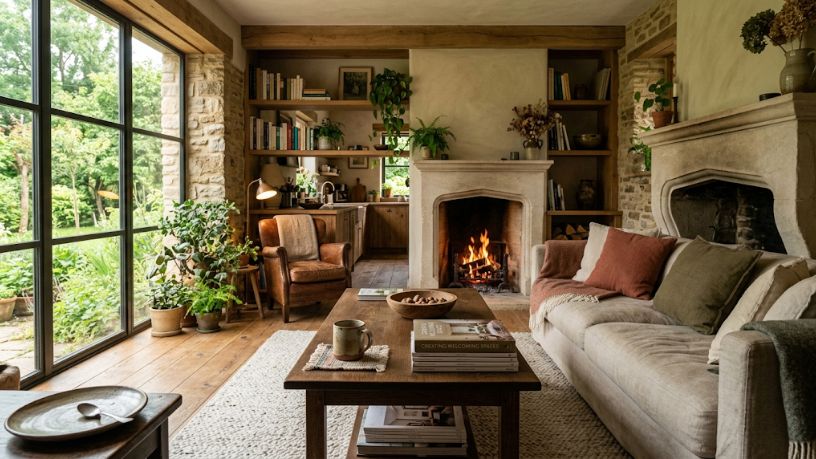
Daugliesi Giacomasi Souza, founder of DGdecor, works with the idea that a welcoming space depends on more than just beautiful décor. It comes from the combination of lighting, circulation, materials, colors, furniture, and meaningful elements for the people who use the space. A living room can be sophisticated and still feel cold, while a simpler arrangement can convey a sense of warmth and connection. It is within this balance between aesthetics, functionality, and experience that interior design becomes especially important.
Read more below!
What Makes a Space Feel Welcoming?
The feeling of comfort begins with how a space receives people. Easy circulation, invitingly arranged furniture, and areas designed for conversation can make a room feel more comfortable. In a living room, for example, the arrangement of seating directly influences opportunities for interaction between residents and visitors.
The scale of the furniture also affects this experience. Pieces that are too large can make it difficult to move around, while furniture that is too small can make the room feel disproportionate. For this reason, as Daugliesi Giacomasi Souza points out, before choosing decorative objects, it is important to understand how the space will be used and what activities need to take place there. This planning helps ensure comfort, proper circulation, and a balanced visual composition, making the space more functional for everyday life.
How Does Lighting Change the Feel of a Space?
Lighting is one of the elements that most strongly affects how a space is perceived. Lighting that is too bright and concentrated can make a particular area feel uncomfortable during moments of relaxation, while multiple light sources make it possible to adjust the atmosphere according to the activity taking place. In addition to enhancing comfort, well-planned lighting can highlight materials, draw attention to details, and reinforce a sense of warmth.
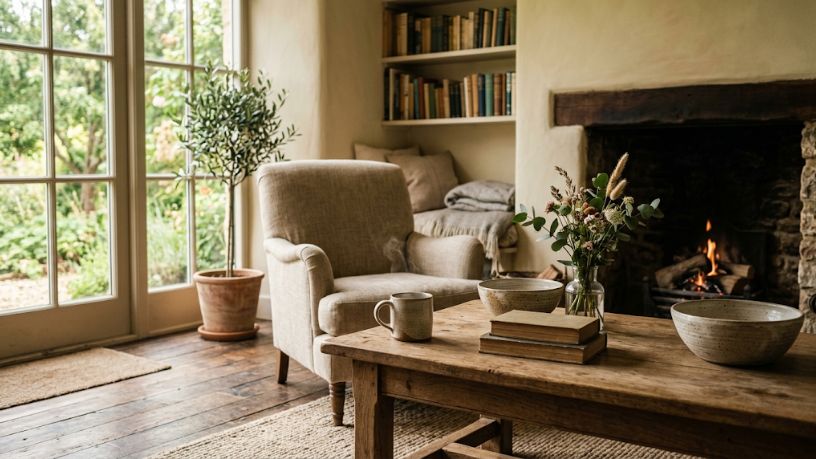
Natural light should also be considered from the planning stage. Windows, curtains, and furniture placement can influence the amount of light available throughout the day. Daugliesi Giacomasi Souza works in a field where these characteristics need to complement the décor choices, ensuring that lighting is not treated merely as an element added at the end of a project. This attention to detail makes it possible to take better advantage of natural resources and create more comfortable, balanced spaces at different times of the day.
Why Do Materials and Textures Make a Difference?
Completely smooth and visually uniform surfaces can create a more rigid composition. The balanced use of wood, fabrics, fibers, stone, and other materials introduces different sensations into a space and creates variations that can be perceived both visually and through touch. This diversity can make a space feel more welcoming and interesting without compromising visual harmony.
Daugliesi Giacomasi Souza emphasizes that this does not mean incorporating numerous textures into the same space. The result depends on how they are combined. A soft fabric on an armchair, wood used in a particular piece of furniture, or a handcrafted item can add personality without overwhelming the composition. The selection should take into account the function of the space and the relationship between the materials. When used in the right proportions, textures help create depth and reinforce the project’s identity.
How Do Personal Objects Help Create a Welcoming Atmosphere?
A space conveys identity when it incorporates references to the people who live there, such as photographs, books, travel souvenirs, artwork, and inherited objects. In the work of Daugliesi Giacomasi Souza, founder of DGdecor, this personalization begins with the balanced selection of meaningful elements, avoiding excess and allowing the décor to reflect the history and personality of those who live in the space. In this way, each choice contributes to creating a more authentic atmosphere connected to the residents’ routines and experiences.
To follow content about interiors, architecture, and décor, discover DGdecor’s work on Instagram: @dgdecor.construir.