


Sergio Bento de Araujo, as a business expert in education, highlights that educational fairs have become increasingly relevant spaces for discussing the direction of contemporary education and understanding how technology, pedagogical methodologies, and new social demands are transforming the school environment. Events focused on educational innovation bring together specialists, educators, administrators, and companies operating in the sector, creating an environment for exchanging experiences and reflecting on the challenges and opportunities in today’s education. Gatherings such as Bett Brasil help reveal important trends and contribute to expanding the debate on how schools can evolve in response to technological and cultural changes in society.
These fairs function as environments for observing the transformations taking place in the educational field. By bringing together different perspectives on teaching, learning, and technology, these events allow for a broader analysis of the solutions that are beginning to gain space in schools.
Below, we aim to demonstrate why following these discussions is a way to better understand possible paths for the development of education, especially at a time when new digital tools and pedagogical methodologies are becoming part of everyday school life. Read on to learn more.
The role of educational fairs in transforming teaching
Educational fairs play an important role in strengthening dialogue among education professionals, researchers, and organizations that develop solutions for teaching. These events provide spaces for presenting projects, debating educational policies, and discussing pedagogical innovation.
Participation in educational fairs allows administrators and teachers to learn about initiatives being developed in different educational contexts. Many of these experiences present alternative ways of organizing teaching, integrating technology into the curriculum, and developing key competencies for contemporary learning.
Sergio Bento de Araujo explains that these gatherings help bridge the gap between theory and practice in education. By observing experiences presented by different institutions, educators can reflect on new pedagogical possibilities and assess how certain approaches can be adapted to the realities of the schools in which they work.
Bett Brasil and the debate on educational innovation
Among educational events held in Brazil, Bett Brasil has established itself as one of the main platforms for discussing innovation and technology in education. The fair brings together professionals interested in analyzing trends, sharing experiences, and presenting solutions aimed at modernizing education.
During the event, topics such as artificial intelligence applied to teaching, digital learning platforms, teacher training, and the development of digital competencies are discussed. Sergio Bento de Araujo points out that these topics reflect concerns present in schools seeking to adapt their pedagogical practices to the new demands of the contemporary world.
Events like Bett Brasil help broaden perspectives on education. By bringing together specialists from different fields, these fairs encourage reflections that go beyond the use of technological tools and also address pedagogical, cultural, and social aspects of learning.
Technological trends presented at educational events
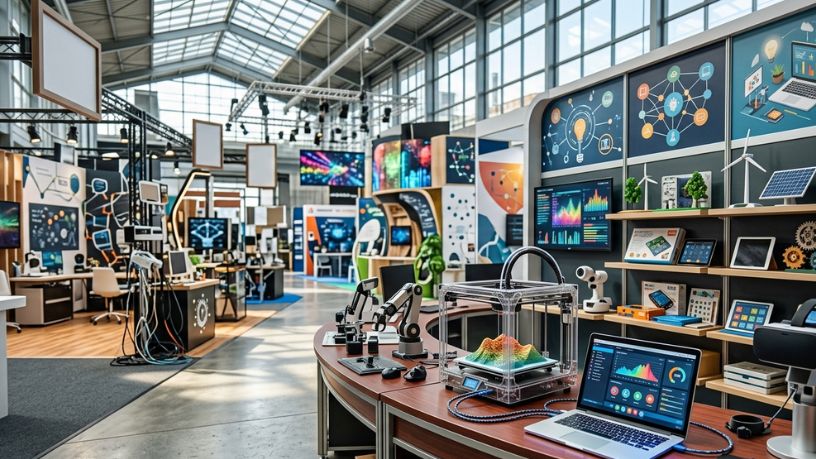
Educational fairs also serve as spaces for observing trends that are beginning to influence how schools operate. Among the topics frequently highlighted in these events are the use of artificial intelligence in education, the development of digital learning environments, and the use of interactive resources that make classes more dynamic.
Another relevant aspect presented at these events is the integration between technology and pedagogical methodologies. Many initiatives emphasize that educational innovation depends not only on the presence of digital tools but also on how these tools are used to encourage active student participation.
Sergio Bento de Araujo emphasizes that technology should be understood as a pedagogical resource rather than an end in itself. When used strategically, it can help expand access to knowledge and strengthen more participatory and interactive learning experiences.
How do these events help rethink the future of schools?
In addition to showcasing technologies and educational projects, sector fairs contribute to expanding the debate about the role of schools in preparing students for the future. By discussing new methodologies, digital competencies, and the challenges of contemporary education, these events foster important reflections on the evolution of teaching.
These gatherings also promote the creation of collaborative networks among educators, administrators, and educational institutions. The exchange of experiences allows innovative practices to be shared and adapted to different school realities, helping to strengthen the development of education.
Education expert Sergio Bento de Araujo concludes that following discussions promoted at educational fairs is a way to better understand the transformations occurring in the education system. By analyzing trends and reflecting on challenges, educators can develop strategies that are more aligned with students’ needs and the demands of an increasingly connected, technological, and dynamic society.
Author: Diego Rodríguez Velázquez