

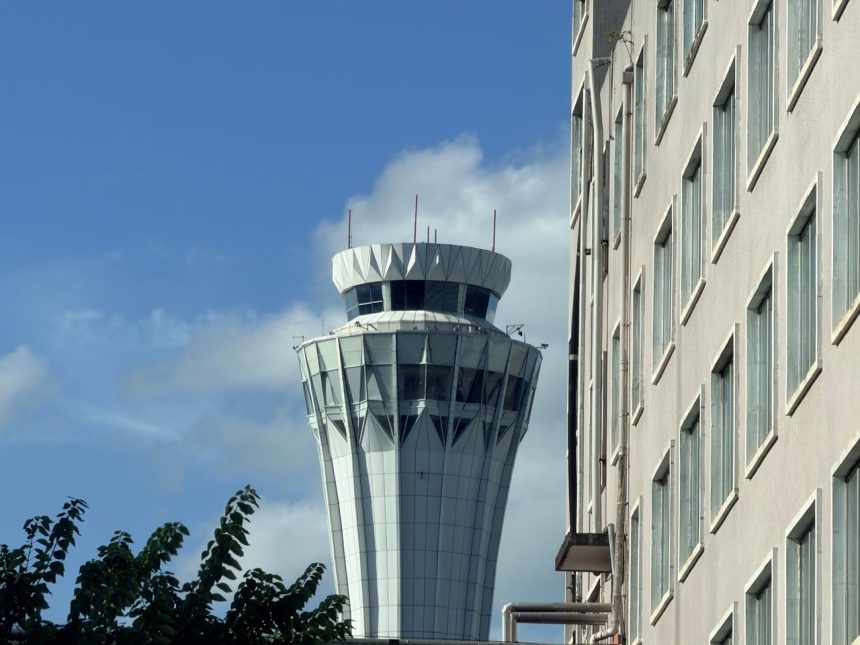
The Trump administration’s proposal to modernize the United States air travel system is facing scrutiny in Congress, where lawmakers are questioning the cost, oversight and execution of a program valued at up to $50 billion. The plan would target equipment, communications networks, air traffic control systems and other infrastructure used to coordinate flights across the country.
The debate comes as the reliability of the nation’s aviation infrastructure has drawn renewed attention after recent operational disruptions and concerns involving equipment used in air traffic control. According to The Associated Press, congressional members have expressed skepticism about how the initiative would be managed and whether its projected cost is matched by clear results.
Why the modernization plan has become a national issue
Air traffic control depends on a network of communications, monitoring equipment and operational systems that must work continuously to organize aircraft movements. When part of that infrastructure becomes outdated or unreliable, the effects can extend beyond a single airport, affecting schedules, airline operations and the movement of passengers and cargo.
Government officials supporting the proposal argue that a broad modernization effort is needed to replace aging technology and strengthen the systems used to manage flights. The program is also presented as a way to improve operational reliability, reduce delays and support safer coordination of air traffic throughout the United States.
For Congress, however, the size of the proposed investment raises questions about accountability. Lawmakers are examining how the money would be allocated, which agencies and contractors would oversee the work, and how the government would measure whether the upgrades deliver the promised improvements. The disagreement reflects a broader tension between the urgency of repairing national infrastructure and the need for strict control of public spending.
Congress questions cost and implementation
The proposal has not been described as a fully approved or completely financed program. Instead, it remains part of a political and legislative discussion over the future of the U.S. aviation system. That distinction is important because the administration’s request and congressional review represent different stages of the process.
Members of Congress are weighing whether the plan provides enough detail about its timeline, priorities and supervision. They are also assessing the risks of undertaking a large-scale technology replacement across a system that supports commercial flights, cargo operations and international connections.
The discussion is likely to remain focused not only on the total price but also on the structure of the initiative. Replacing equipment and communications systems requires coordination among federal authorities, airports, airlines and technology suppliers. Any interruption during the transition could create additional operational challenges, making planning and oversight central issues in the congressional debate.
What the proposal could mean for Brazilian travelers
Changes to the U.S. air traffic system could matter to Brazilian passengers who travel to the United States for tourism, study, work or business. Airports in Miami, Orlando, New York and Atlanta are important entry points and connecting locations for travelers from Brazil, although the proposal concerns the national aviation infrastructure rather than a specific city.
A more modern control network could affect the reliability and capacity of flights connecting Brazil with the United States. It could also influence routes that use American airports as links to other destinations in North America, Europe and Asia. For airlines and passengers, the practical interest lies in whether the investment improves the flow of aircraft and reduces disruptions across the broader network.
The economic effects would extend beyond travelers. Airlines depend on predictable schedules to manage aircraft, crews and connections, while companies use air cargo networks to move goods across borders. Delays and operational failures can therefore create costs for businesses as well as for passengers.
A debate between urgency and oversight
The congressional response shows that there is support for addressing weaknesses in the U.S. aviation infrastructure, but not necessarily agreement on the administration’s proposed approach. The central question is how to modernize a nationwide system without leaving the public with an expensive program that lacks measurable goals or effective supervision.
As lawmakers examine the proposal, the future of the initiative will depend on decisions about funding, governance and implementation. For now, the $50 billion figure represents the scale sought by Trump administration officials, while Congress continues to question the details behind the plan and the results it would be expected to deliver.