


As businessman Alex Nabuco dos Santos emphasizes, the thermal balance of a building should not be a later correction, but the result of conscious architectural choices. This article analyzes how variables such as solar orientation, thermal inertia, and natural ventilation are defined at the drawing board stage to ensure climate efficiency. We will discuss how strategic design reduces dependence on artificial cooling, generates savings for residents, and prevents construction pathologies. Follow this analysis to discover how new design trends are transforming the real estate market into a sector focused on environmental intelligence and human well-being.
Why Is Solar Orientation the Most Critical Design Decision?
According to Alex Nabuco dos Santos, the positioning of façades in relation to the sun determines whether a property will be a welcoming refuge or an unbearable environment. In the real estate market, units facing the afternoon sun without adequate protection suffer from overheating, which depreciates the value per square meter and increases energy costs due to air conditioning use. An intelligent design uses brise-soleils, balconies, and overhangs to filter solar radiation, allowing light to enter without excessive heat compromising the habitability of rooms.
How Do Thermal Inertia Trends Change the Living Experience?
The choice of materials that compose the building envelope defines how quickly a property heats up or cools down. According to Alex Nabuco dos Santos, the use of walls with high thermal inertia is one of the trends returning strongly to the high-end segment, employing materials that delay the transfer of heat to the interior. In tropical climates, this design decision is essential to maintain stable indoor temperatures, creating a microclimate independent of abrupt external variations, which enhances the perception of technical luxury in the property.
Beyond walls, the use of green roofs and post-tensioned slabs with integrated insulation contributes to the upper thermal barrier. These solutions prevent the roof from becoming a source of radiant heat for the upper floors. See the main design elements that directly impact thermal comfort:
-
Window opening ratios sized to favor natural air circulation;
-
Use of solar-control glass that blocks infrared radiation;
-
Fixed or movable external protections that create strategic shading on façades;
-
Specification of light colors on external surfaces to increase solar reflectance;
-
Integration of internal gardens that assist in evaporative cooling and air humidity.
These points demonstrate that thermal comfort is a science applied to design. A project that masters environmental physics delivers a superior and far more economical living experience. By applying the best bioclimatic architecture trends, the real estate sector can offer products that respect the human biological rhythm and ensure property appreciation based on real performance and operational sustainability.
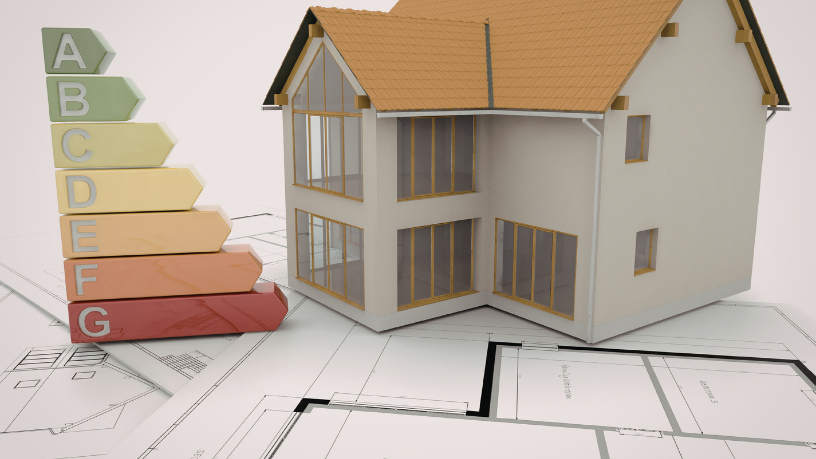
What Is the Impact of Thermal Comfort on Real Estate Liquidity?
A property’s climate performance is one of the factors that most quickly influence the decision to repurchase or recommend. As Alex Nabuco dos Santos clarifies, experienced buyers conduct visits during peak heat hours to test insulation efficiency. In the real estate market, properties that demonstrate low energy consumption for cooling have greater liquidity, as they represent lower fixed costs for the owner. A design decision that prioritizes thermal comfort is, ultimately, a decision to protect resale value.
Satisfaction with the thermal environment generates a positive emotional attachment to the residence. No one feels comfortable in a home that requires constant mechanical effort to remain habitable. A project that solves climate challenges through architecture is the one best positioned in the luxury market. Technical sophistication, translated into silence and natural freshness, is the differentiating factor that builds customer loyalty and consolidates the property as an asset of excellence in today’s competitive landscape.
Design as a Moderator of Climate and Value
Modern architecture should function as an intelligent membrane mediating the relationship between humans and nature. As businessman Alex Nabuco dos Santos summarizes, design decisions focused on thermal comfort are the foundation of high-performance construction. A real estate market that ignores thermal physics is doomed to obsolescence and maintenance costs that erode investor profitability.
Author: Diego Rodríguez Velázquez