

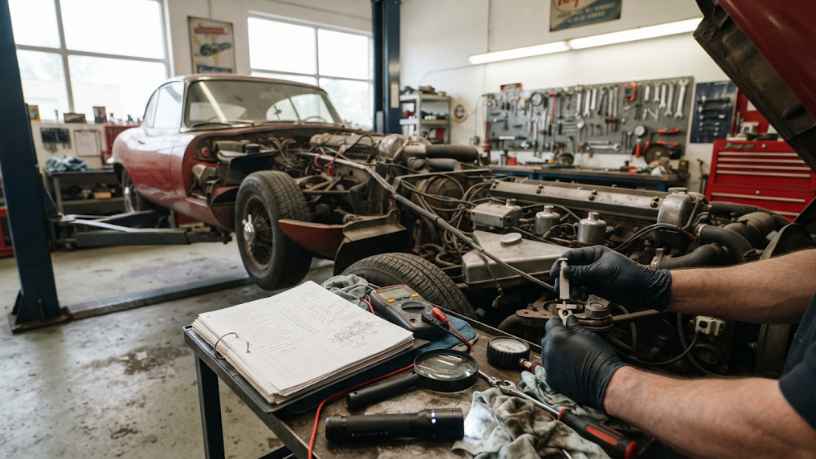
A classic car can inspire passion at first sight, but that passion can come at a high price when the purchase overlooks essential technical steps, emphasizes Mario Augusto de Castro, a classic car collector. Many problems discovered after a purchase were already present in the vehicle, simply hidden beneath a well-maintained paint job. This is precisely why vehicle inspections and pre-purchase inspection reports exist: to prevent these kinds of surprises. But what exactly do these inspections reveal, and why do they make such a difference when making a purchasing decision? Find out below.
Why Does a Classic Car Require a Different Technical Approach?
A classic car carries decades of history, including maintenance, replacement parts, and often multiple owners over the years. This extensive history increases the likelihood of poorly documented modifications or non-original parts installed without proper records.
According to Mario Augusto de Castro, the older the vehicle, the greater the need for an assessment that goes beyond its appearance and identifies what may have been concealed during restoration work.
Mario Augusto de Castro Explains What a Pre-Purchase Vehicle Inspection Evaluates in Practice
A pre-purchase vehicle inspection examines components that rarely receive attention during a typical test drive, such as the actual condition of the chassis, signs of structural collision damage, and the authenticity of engine and transmission identification numbers.
This technical assessment compares the vehicle’s physical condition with the information recorded in its official documentation. Mario Augusto de Castro points out that discrepancies in these numbers often indicate serious problems, ranging from tampering to questionable vehicle origins.
That said, non-original replacement parts do not automatically disqualify a collectible vehicle, but they must be properly documented and consistent with the rest of the car. A thorough inspection report distinguishes legitimate modifications from attempts to conceal damage, giving buyers a comprehensive understanding of the vehicle before entering negotiations.
How Does an Inspection Report Protect Buyers Against Document Fraud?
A pre-purchase inspection report cross-checks vehicle information against official databases, identifying court-ordered restrictions, outstanding liens, or accident and insurance claim records that the seller may not disclose.
This verification helps prevent buyers from taking on debts or legal complications along with the vehicle. As classic car collector Mario Augusto de Castro emphasizes, skipping this step turns an emotional purchase into a financial risk that may only become apparent much later.
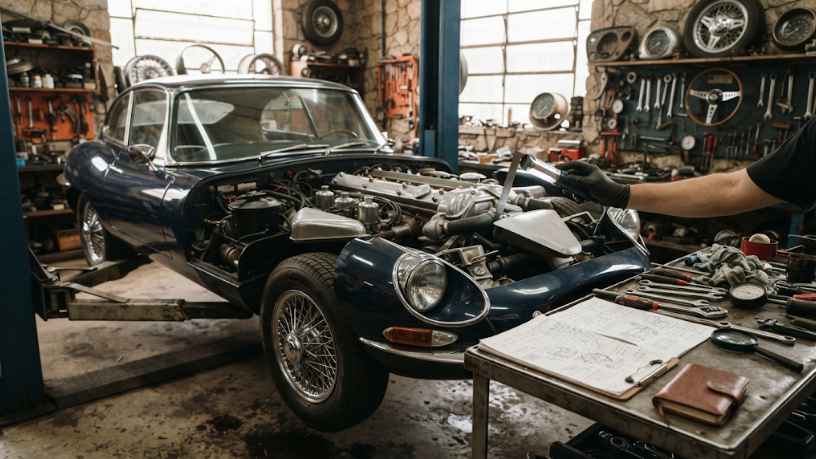
Without this cross-checking process, buyers risk inheriting problems that have nothing to do with the vehicle’s mechanical condition but can compromise full ownership rights and future resale opportunities. A classic car with unresolved legal issues can quickly lose market value.
Key Aspects That Deserve Special Attention During an Inspection
Beyond documentation, a classic car inspection evaluates technical aspects that directly affect the vehicle’s safety and value. With this in mind, the following are among the key areas typically covered in a comprehensive inspection report:
-
Chassis structure: Inspection of welds, corrosion, and signs of structural repairs;
-
Engine and transmission: Verification of original identification numbers and replacement history;
-
Electrical system: Assessment of aging wiring, modifications, and potential short-circuit risks;
-
Paint and bodywork: Identification of paint layers that may indicate previous collisions or repairs;
-
Documentation: Cross-checking vehicle information against official and court records.
Individually, each of these factors may seem like a minor detail, but together they provide an accurate picture of the classic car being considered for purchase. As Mario Augusto de Castro points out, overlooking any of them increases the risk of expensive surprises after the transaction.
Is It Worth Negotiating the Purchase of a Classic Car Without a Prior Inspection?
Negotiating the purchase of a classic car without a prior inspection means accepting risks that may only become apparent later, often resulting in substantial repair costs.
An advance technical assessment also strengthens the buyer’s negotiating position, as concrete evidence can support requests for discounts or adjustments to the final price.
Skipping this step is rarely worthwhile, even when the vehicle appears flawless at first glance.
A Classic Car Requires Investigation, Not Just Admiration
Ultimately, investing in a classic car also means investing in precautionary measures. Vehicle inspections and pre-purchase reports do not diminish the vehicle’s appeal; instead, they help ensure that passion does not turn into financial loss.
An informed buyer can negotiate with greater confidence and recognize the true value of what they are purchasing. Therefore, before signing any contract, turning enthusiasm into a thorough technical assessment is what separates a sound purchase from an expensive mistake.