

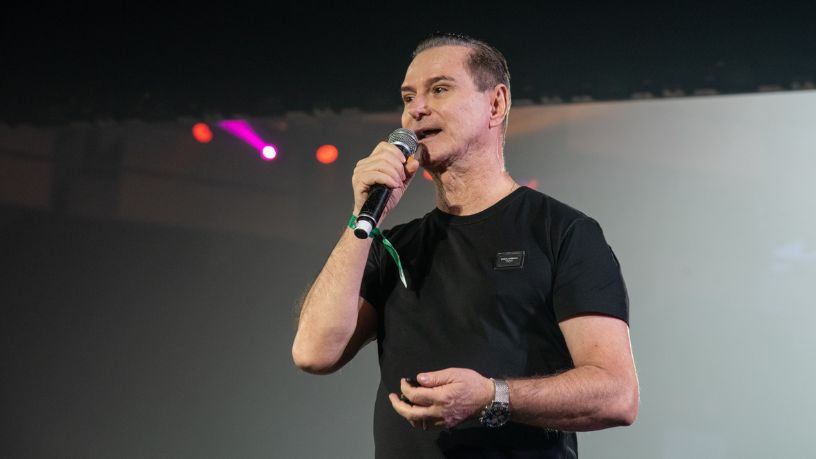
When it comes to high-performance teams, Márcio Alaor de Araújo, a financial market executive and entrepreneur focused on results and organizational development, observes that professional resilience is built before a crisis, through habits that may seem too small to matter. Once the pressure hits, it is already too late to start.
The problem is that high-performing teams are often the last to admit vulnerability. Accustomed to delivering results, they absorb pressure without complaining, hide mistakes to protect their reputation, and only stop when someone becomes ill or resigns. Performance remains high until the day it suddenly collapses.
Developing resilience among leaders and teams, therefore, is an ongoing effort, not a one-time training exercise. The questions below address the most common concerns of those who need to build this capacity without sacrificing results.
Can Resilience Be Learned, or Is It a Personality Trait?
To a large extent, resilience can be learned. Temperament influences a person’s initial reaction to a setback, but how they deal with it depends on skills that can be developed: regulating emotions under pressure, reframing problems in ways that make action possible, and asking for help before reaching a breaking point. None of these abilities comes fully developed.
For leaders, one of the most effective approaches is gradual exposure to challenges with support, such as taking on a difficult project with a mentor nearby. In psychology, this principle is known as stress inoculation: controlled doses of pressure, followed by reflection, prepare a person to handle greater levels of stress.
What Role Does a Leader Play in Building Team Resilience?
When Google studied what distinguished its most effective teams through what became known as Project Aristotle, the most important factor was neither talent nor experience. It was psychological safety—the confidence that no one would be punished for admitting a mistake, asking a question, or disagreeing with their manager.
Márcio Alaor de Araújo believes this sense of safety allows a team to recover quickly because problems surface early, while they are still manageable. In teams driven by fear, bad news travels slowly and reaches leadership only after the crisis has already taken hold.
Leaders build this environment more through their actions than their words. Publicly acknowledging their own mistakes, thanking those who raise concerns, and responding to poor results with questions rather than irritation are behaviors that teams observe and replicate.
How Can a Team Learn From Mistakes Without Blaming People?
After a negotiation that did not go as planned, a trading desk meets for twenty minutes and answers four questions: What was supposed to happen? What actually happened? Why was there a difference? What will change next time? This format, known as the after-action review, originated in the U.S. Army.
The rule that makes the method effective is to discuss the process, never the person. Unlike meetings that end with someone being blamed, Márcio Alaor de Araújo suggests that every review should conclude with a concrete decision and someone responsible for implementing it. The mistake becomes documented learning rather than collective trauma.
How Can High Performance Be Prevented From Turning Into Burnout?
Classified by the World Health Organization as an occupational phenomenon, burnout results from chronic workplace stress that has not been successfully managed. This definition shifts the focus: burnout is not an individual weakness, but rather a sign that workload and working practices need to be adjusted.
Teams that sustain high performance for years alternate between periods of intensity and recovery, much like athletes. After a critical delivery, there should be a period of reduced intensity—not simply another urgent demand. A leader who protects this recovery period, even under pressure from senior management, safeguards the company’s most valuable asset.
How Can You Tell Whether a Team Is Becoming More Resilient?
Some signs can be measured. The time between a setback and the return to a normal pace decreases, and problems begin to be reported earlier. Employee turnover does not spike after a difficult quarter. And team members start proposing solutions before leadership asks them to.
These indicators may not appear in a performance report, but they can anticipate how a team will perform in the years ahead. That is why Márcio Alaor de Araújo highlights resilience as part of business strategy, not merely employee well-being: a team that recovers quickly identifies mistakes sooner, learns faster, and gets ahead of the competition.