

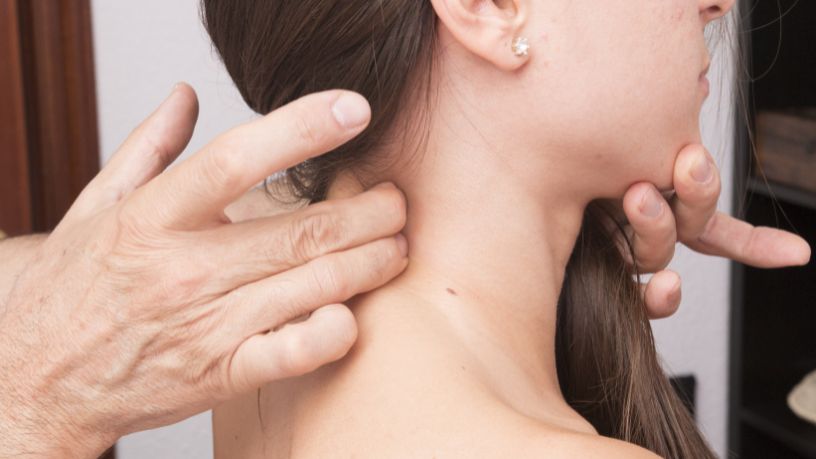
Physician Haeckel Cabral Moraes observes that the neck region is often one of the areas most affected by aging, frequently showing signs of sagging even before other parts of the face. With advances in aesthetic medicine and plastic surgery, different alternatives have emerged to treat this condition in a personalized way.
In this article, you will understand what causes cervical laxity, when non-invasive procedures may be sufficient, in which situations surgery offers better results, and why an individualized assessment is essential to define the most appropriate strategy for each patient.
What causes cervical laxity?
Cervical laxity is the result of a natural process involving collagen loss, reduced skin elasticity, and changes in the supporting structures of the neck. Over the years, the action of gravity also contributes to the appearance of excess skin and loss of definition between the face and the neck contour.
In addition to aging, factors such as genetic predisposition, excessive sun exposure, weight fluctuations, and lifestyle habits can accelerate this process. Therefore, two people of the same age may present very different degrees of laxity, requiring distinct approaches to achieve satisfactory results.
When can non-invasive procedures be indicated?
Non-invasive treatments are usually more indicated for patients showing early or moderate signs of laxity. In these cases, technologies aimed at stimulating collagen can help improve skin firmness and provide a more rejuvenated appearance in a gradual way.
Another advantage of these alternatives is faster recovery and less need to take time away from daily activities. However, it is important to understand that these resources have limitations. According to Dr. Haeckel Cabral Moraes, the best results tend to occur when the tissues still have a good capacity to respond to the stimulation provided by the procedures.
What are the limitations of non-surgical treatments?
Although very popular, non-invasive procedures cannot remove excess skin or reposition deep structures that have undergone significant changes over time. For this reason, results tend to be more subtle when compared to surgical techniques.
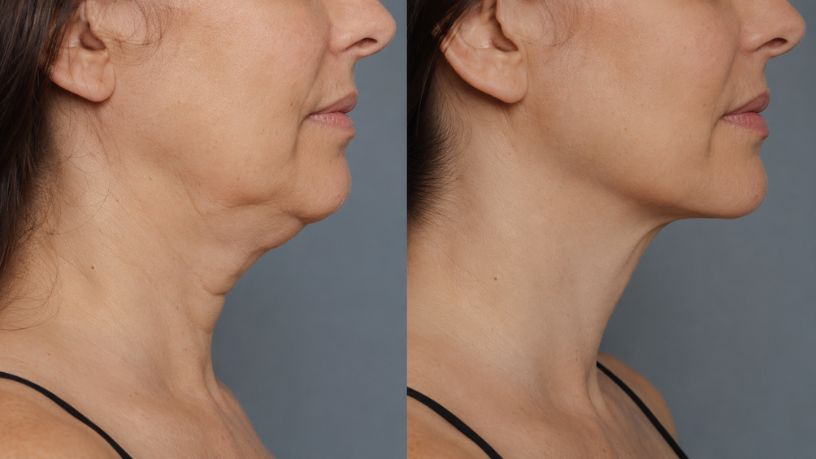
There is often an expectation that aesthetic treatments can fully replace surgery. In practice, this is not always the case. Haeckel Cabral Moraes emphasizes that understanding the limits of each approach is essential to align expectations and avoid frustration regarding the final outcome.
In which situations is surgery more indicated?
When there is significant laxity, evident excess skin, or a major loss of cervical definition, surgery usually offers more complete and longer-lasting results. This is because the procedure allows direct intervention on the structures responsible for tissue support, correcting changes that cannot be treated at the skin surface alone.
As Dr. Haeckel Cabral Moraes explains, in addition to removing excess skin, surgery can reposition tissues and significantly improve the contour of the neck. In many cases, this approach provides harmonious rejuvenation of both the cervical and facial region, respecting the patient’s natural characteristics.
Why does individualized assessment make a difference?
Searching for information online can be helpful to understand treatment options, but it does not replace a professional evaluation. What works well for one person may not be the best option for another, especially when it comes to facial and neck aging.
In this context, individualized analysis helps identify the right timing for each intervention. Haeckel Cabral Moraes highlights that the combination of technical knowledge, planning, and correct indication is what truly contributes to natural and long-lasting results. More than choosing between surgery or non-invasive procedures, the goal should be to find the solution that best matches each patient’s characteristics and needs.
Author: Diego Rodríguez Velázquez