


Sports play a central role in physical and behavioral development, as highlighted by Felipe Schroeder dos Anjos. With this in mind, the choice between team and individual sports influences not only athletic performance but also social and emotional growth. Therefore, the discussion goes beyond personal preference. It involves goals, behavioral profile, and practice context. Interested in learning more? Keep reading to understand which path may generate better results according to each profile.
Do Team Sports Develop More Social Skills?
In team sports such as soccer, volleyball, or basketball, the athlete learns to perform within a group. The dynamic requires constant communication, game awareness, and strategic cooperation. According to Felipe Schroeder dos Anjos, individual performance must align with the collective objective, which strengthens a sense of belonging and shared responsibility.
In addition, frequent interaction with teammates and coaching staff broadens emotional awareness. Athletes learn to handle victories and defeats collectively. They develop empathy, active listening, and adaptability. These competencies go beyond the sports environment and directly impact professional and personal relationships.
On the other hand, social pressure may be greater, as emphasized by Felipe Schroeder dos Anjos, since individual mistakes become visible to the entire group. Therefore, emotional control is constantly tested. Even so, this exposure tends to strengthen resilience and maturity, especially in well-structured environments.
Do Individual Sports Encourage Greater Autonomy?
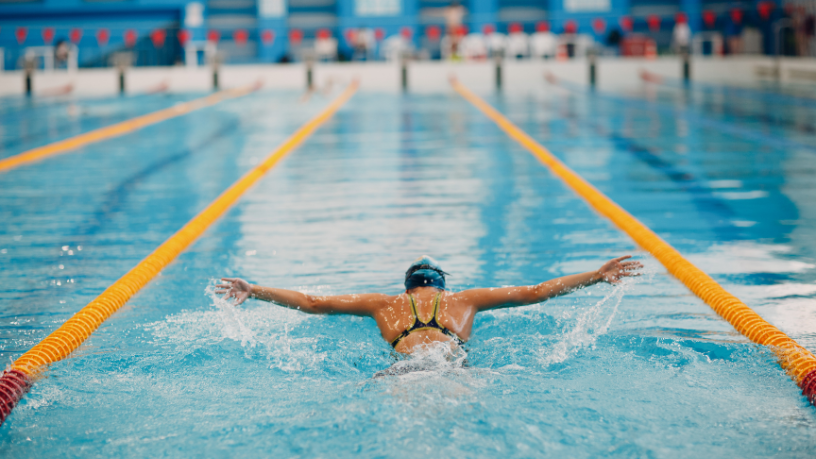
In individual sports such as swimming, running, or tennis, the focus lies on personal performance. Responsibility for results is direct. According to behavioral analysis applied to sports, this characteristic stimulates discipline and self-management. The athlete depends on their own routine, preparation, and mental focus.
According to Felipe Schroeder dos Anjos, in this format, the development of autonomy is more intense. Practitioners learn to set goals, monitor progress, and fully assume the consequences of their performance. This strengthens self-confidence and decision-making under pressure.
However, the absence of a fixed team may reduce frequent social interactions. Although there are coaches and training groups, the leading role remains individual. As a result, interpersonal growth may occur on a smaller scale compared to team sports. Still, gains in concentration and self-awareness are often significant.
What Social Advantages Do Sports Offer?
Ultimately, regardless of the modality, sports contribute to social integration, since the sports environment fosters connections based on shared goals and overcoming challenges. As mentioned by Felipe Schroeder dos Anjos, regular practice creates support networks and strengthens lasting bonds. In this regard, some of the main social advantages include:
- Expansion of one’s social circle;
- Development of interpersonal communication;
- Learning about rules and mutual respect;
- Strengthening teamwork skills;
- Building a healthy competitive spirit.
These factors directly impact individual development. Socialization in sports tends to occur naturally because it is integrated into the very structure of the activities. Thus, both team and individual sports offer relevant opportunities for interaction, although at different levels.
Team or Individual Sports: Which Should You Choose?
In conclusion, the choice depends on behavioral profile and personal goals. People who value constant interaction and collaborative learning tend to identify more with team sports. More introspective individuals may prefer individual modalities. In other words, there is no universal answer. The best sport is the one that maintains consistency and long-term engagement. Without regular practice, any modality loses its transformative potential.
When analyzing social advantages and personal growth, it becomes clear that sports do not compete with one another. They complement each other as tools for comprehensive development. Therefore, consistent practice, regardless of format, is the determining factor for lasting results.
Author: Diego Rodríguez Velázquez