

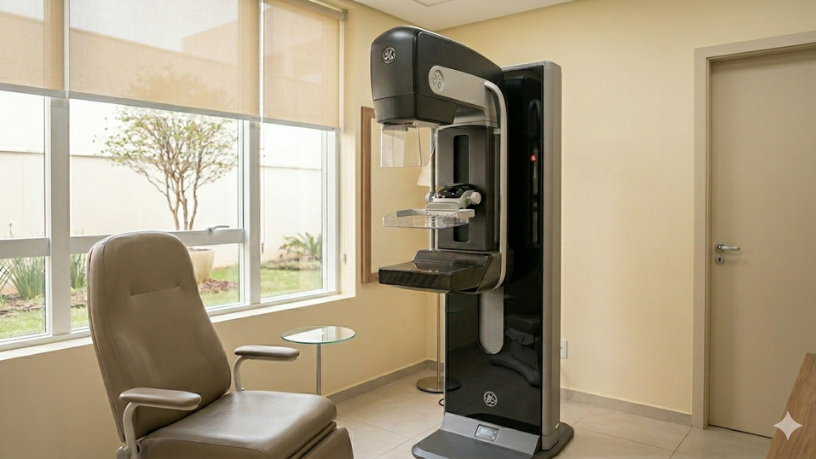
Keeping your routine medical exams up to date is one of the most effective ways to prevent diseases and ensure a better quality of life. Still, as Dr. Vinicius Tadeu Sattin Rodrigues points out, with the fast pace of everyday life, many people end up postponing appointments, forgetting deadlines, and neglecting essential care. The problem is that, when it comes to health, time matters and prevention cannot be left for later.
Why is it so easy to forget important exams?
According to Vinicius Tadeu Sattin Rodrigues, a busy routine is one of the main factors that lead people to forget their exams. Work commitments, family responsibilities, and unexpected daily situations take up space in the schedule, pushing health to the background. This behavior, although common, can lead to significant consequences over time.
Another relevant point is the lack of urgency. When there are no apparent symptoms, many people believe there is no need for medical follow-up. This sense of normality creates a false sense of security, causing preventive exams to be constantly postponed. However, many diseases develop silently, which makes regular monitoring essential.
In addition, personal disorganization directly contributes to this scenario. The absence of a clear system to track dates, deadlines, and medical recommendations makes continuous follow-up more difficult. Without a simple organizational method, exams are more likely to be forgotten or delayed, compromising prevention, as highlighted by Vinicius Tadeu Sattin Rodrigues.

How to create an efficient routine to take care of your health?
The first step to not forgetting important exams is to make health care part of your routine. This means treating medical appointments and tests with the same level of priority as other commitments. Scheduling these activities with defined dates helps create consistency and reduces the chances of forgetting. This practice also helps minimize the tendency to postpone, which is common in busy routines.
Another essential point, according to Vinicius Tadeu Sattin Rodrigues, is to use organizational tools. Calendar apps, phone reminders, and even physical planners can be valuable allies in this process. Setting alerts in advance ensures you are reminded ahead of time, allowing better time management and avoiding unexpected issues. These tools also help distribute appointments more evenly throughout the month or year.
It is also important to keep a record of your exams and appointments. Having easy access to past information makes follow-up easier and helps determine how often each type of exam is needed. This control supports more informed decisions and prevents gaps in health care. By reviewing this history, it is possible to identify patterns and anticipate future needs.
What habits help keep your exams up to date?
As highlighted by Vinicius Tadeu Sattin Rodrigues, building consistent habits is essential to maintaining regular exams. A simple example is associating the scheduling of appointments with specific times of the year, such as the beginning or end of a cycle. This strategy turns prevention into an automatic behavior, reducing the need for constant effort.
Finally, another important habit is to anticipate decisions. Instead of waiting until the last minute, scheduling exams in advance helps avoid delays and provides more flexibility in choosing dates. This approach also reduces stress and makes routine organization easier, making the process smoother.
Author: Diego Rodríguez Velázquez