

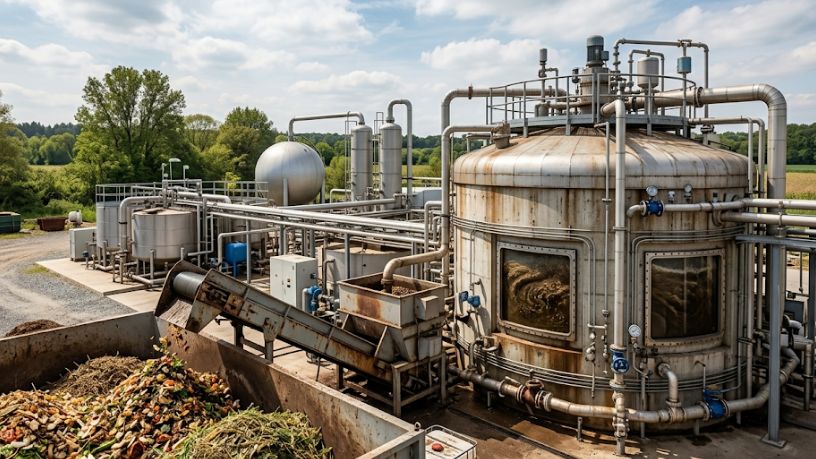
Businessman and environmental solutions specialist Marcello Jose Abbud, based on recent analyses of environmental innovation, highlights that biotechnology in the treatment of organic waste has been consolidating itself as one of the most efficient solutions to address the challenges of sustainable waste management. This approach combines science, biological processes, and technology to transform waste into useful resources. In this article, you will understand how this technology works, its applications, and why it is considered essential for the future of sustainability. Continue reading to discover how biotechnology is revolutionizing the sector.
What is biotechnology applied to organic waste?
Biotechnology applied to organic waste treatment involves the use of microorganisms and controlled biological processes to decompose organic materials in an efficient and sustainable way. This process reduces environmental impact and generates reusable by-products.
According to Marcello Jose Abbud, this technology represents a significant evolution in how society deals with waste, transforming an environmental problem into an opportunity for resource recovery. Moreover, the use of biotechnological processes reduces reliance on traditional disposal methods, such as landfills, contributing to cleaner and more efficient waste management.
How does the biotechnological process work in waste treatment?
The biotechnological process is based on the action of microorganisms that break down organic matter in controlled environments. This process can occur under aerobic or anaerobic conditions, depending on the technology used.
According to Marcello Jose Abbud, controlling these conditions is essential to ensure decomposition efficiency and maximize the production of by-products such as biogas and organic fertilizers.
Among the main methods used are:
Controlled biological composting;
Anaerobic biodigestion;
Fermentation of organic waste;
Use of bioenzymes to accelerate decomposition;
Integrated systems for energy recovery.
Each method has specific applications and can be adapted according to the type of waste and the demands of the treatment system.
What are the environmental benefits of biotechnology?
The application of biotechnology in organic waste treatment brings significant benefits to the environment and urban management. One of the main advantages is the reduction in the volume of waste sent to landfills.
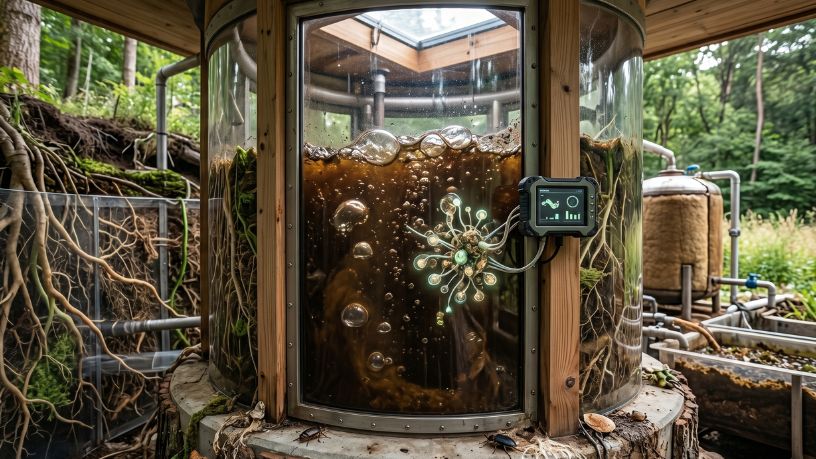
As Marcello Jose Abbud explains, this process also contributes to reducing greenhouse gas emissions, especially methane, which has a strong impact on the climate. In addition, biotechnology enables the generation of reusable resources such as natural fertilizers and renewable energy, promoting a more sustainable cycle of production and consumption.
What challenges still exist in adopting this technology?
Despite the advances, implementing biotechnology in waste treatment still faces important challenges. One of the main issues is the initial cost of deploying these technologies.
In Marcello Jose Abbud’s analysis, another relevant challenge is the need for adequate infrastructure and specialized labor, which can limit expansion in certain regions. The lack of awareness about the benefits of biotechnology is also a significant barrier, hindering large-scale adoption.
How can the use of biotechnology in waste management be expanded?
To expand the use of biotechnology, it is necessary to invest in public policies, innovation, and environmental education. Integration between the public and private sectors is also essential.
In this context, some key actions include:
Encouraging investment in sustainable technologies;
Promoting environmental education programs;
Expanding research in applied biotechnology;
Creating tax incentives for green solutions;
Developing adequate infrastructure for waste treatment.
The combination of these initiatives can accelerate the transition to a more efficient and sustainable waste management model.
Biotechnological innovation as a path to sustainability
In summary, biotechnology in organic waste treatment represents an innovative and necessary solution to current environmental challenges. By transforming waste into resources, this technology contributes to a more sustainable and efficient model.
The growing adoption of these practices indicates an important shift in how society deals with the environment. The integration between science and sustainability is becoming increasingly essential.
Therefore, investing in biotechnology is a strategic step for the future of environmental management. This approach not only reduces negative impacts but also creates new opportunities for sustainable development.
Author: Diego Rodríguez Velázquez