

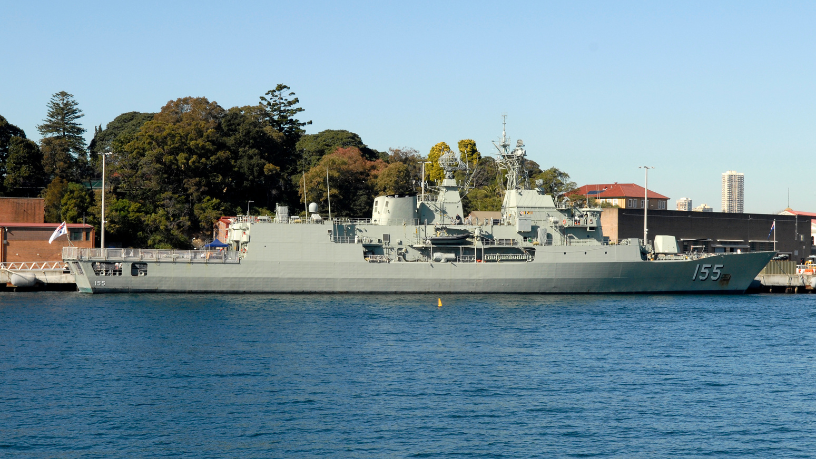
A reported collision between two U.S. Navy ships in waters near South America has drawn international attention and reignited debate over naval safety, operational coordination, and strategic presence in the South Atlantic. The incident, which occurred in a region of growing geopolitical relevance, underscores broader concerns about maritime security and the management of complex naval operations. This article examines the operational implications of the collision, its strategic context, and the practical consequences for regional stability.
Naval operations involve advanced technology, strict protocols, and highly trained personnel. Even so, a collision between two vessels belonging to the same navy raises immediate questions about coordination, communication, and procedural execution. Military navigation depends on radar systems, satellite communication, route planning, and disciplined maneuvering. When an accident occurs under such structured conditions, it naturally prompts scrutiny of both human and technical factors.
The South Atlantic has gained renewed strategic importance in recent years. It serves as a major corridor for international trade, energy transportation, and agricultural exports. Maritime routes near South America connect global markets and intersect with the exclusive economic zones of several coastal nations. In this context, the presence of foreign military vessels, even in international waters, carries strategic weight and attracts regional attention.
From an operational standpoint, investigations into naval collisions typically focus on navigational data, command decisions, distance management, and environmental conditions at the time of the event. Factors such as route synchronization, situational awareness, and communication clarity between vessels are examined in detail. While maritime operations inherently involve risk, the expectation of precision in military maneuvers makes such incidents particularly significant.
Institutionally, the collision presents reputational considerations for the U.S. Navy. As one of the world’s most technologically advanced and globally deployed naval forces, its credibility rests not only on military capability but also on operational reliability. Incidents involving internal fleet coordination may prompt procedural reviews, reinforcement of safety standards, and renewed emphasis on risk management protocols.
For South American nations, the event highlights the importance of maritime monitoring and regional cooperation. Countries with extensive coastlines, including Brazil and Argentina, maintain direct interests in the security of nearby sea lanes. Even without direct involvement, such incidents reinforce the need for surveillance systems, information sharing, and coordinated maritime governance in strategically sensitive waters.
Environmental risk also enters the discussion. Naval collisions can potentially result in structural damage and fuel leakage, posing threats to marine ecosystems. Although the severity of environmental consequences depends on the extent of the damage, the proximity to economically and ecologically significant waters heightens concern. Coastal biodiversity and fisheries represent valuable regional assets that require protection from accidental contamination.
On a broader geopolitical level, the collision occurs amid shifting global alignments and renewed competition for influence across maritime regions. The United States maintains naval deployments worldwide as part of its strategic posture. At the same time, South America has attracted increasing international interest in infrastructure, trade partnerships, and natural resources. Any military-related incident in nearby waters inevitably carries geopolitical implications beyond the immediate technical circumstances.
The episode also contributes to ongoing discussions about ocean governance. Global maritime traffic, both commercial and military, continues to expand. As sea lanes become more congested and strategically contested, adherence to navigational standards and transparent investigative processes becomes increasingly essential. Multilateral frameworks and established maritime norms play a critical role in preventing escalation and maintaining stability.
Public perception is another dimension worth noting. In an era marked by regional conflicts and maritime disputes, news of a collision involving major naval assets draws significant attention. The ocean remains central to global supply chains, national defense strategies, and diplomatic relations. Events of this nature reinforce awareness that maritime security requires continuous oversight and adaptation.
Ultimately, the collision between two U.S. Navy ships near South America cannot be viewed as an isolated operational mishap. It illustrates the complexity of modern naval deployments and the strategic sensitivity of key maritime corridors. Maintaining stability in such regions demands rigorous operational discipline, transparent accountability, and sustained cooperation among nations. As global maritime activity intensifies, the margin for error narrows, making precision and preparedness indispensable elements of naval strategy.