

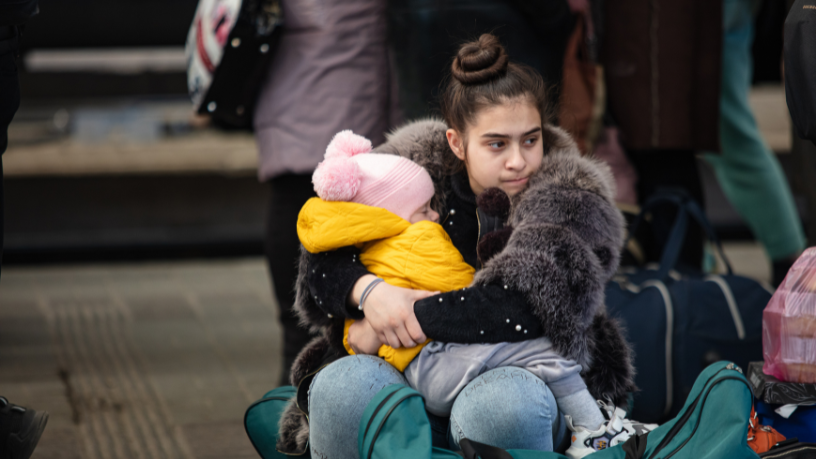
In recent years, thousands of people who dreamed of building a life in the United States are facing a reality very different from what they imagined. Many immigrants seeking economic opportunities and stability encounter growing obstacles, from stricter immigration policies to rising living costs. For these individuals, the American dream has proven more distant than expected, prompting unexpected decisions to return to their home countries. This shift in perspective reflects not only financial challenges but also cultural and social frustrations that accumulate over time.
Beyond economic difficulties, adapting to a new country has proven more complex than many anticipated. Language barriers, bureaucracy, and social norms can become significant obstacles for those seeking to thrive in an unfamiliar environment. For some, the jobs they find do not match their qualifications or expectations, leading to feelings of dissatisfaction and underappreciation. The psychological impact affects both individuals and their families, who often lack broader social support networks in their new environment.
The phenomenon of voluntary return also reflects a changing global perception of migration. With increased competition for jobs and housing in the United States, some immigrants assess that staying abroad does not guarantee the quality of life they desire. This movement highlights that migration is not solely an economic act but a deeply personal decision connected to well-being, safety, and overall life satisfaction. In many cases, returns are strategic, aiming for reintegration into more stable local markets.
Another critical aspect is the influence of recent governmental policies, which have made residency and citizenship processes more complex. These changes affect both long-term residents and newcomers, creating legal and administrative hurdles that may discourage prolonged stays. The intensive bureaucracy and formal requirements have led some families to reconsider their life plans and choose to return, even if it means facing new challenges. The effect of these policies extends beyond the economy, shaping personal and family decisions.
At the same time, global connectivity and access to information allow immigrants to more accurately evaluate their options. Social media, support networks, and news about fellow citizens’ experiences help form realistic expectations. Many realize that, despite the prestige of living in the United States, daily challenges can outweigh anticipated benefits. This growing awareness leads to informed decisions, showing that global mobility is increasingly strategic and calculated.
The pandemic and its prolonged effects have also played a significant role in this reverse migration. Changes in the labor market, rising costs, and economic instability have made it more difficult for those seeking security abroad. The result is a phenomenon of return migration, where individuals carefully weigh the cost of opportunities abroad against the comfort and support of their home countries. These decisions reflect not only economic factors but emotional and social needs as well.
While returning home may be viewed as failure by some, for many it represents a conscious choice to pursue quality of life, security, and family proximity. The experience abroad still offers advantages, such as exposure to new cultures and acquired skills, which can be leveraged in local markets. Therefore, the return process is not simply a withdrawal but a reconfiguration of personal and family priorities and goals.
In summary, the reality of thousands of immigrants choosing to return to their home countries highlights the complexity of contemporary migration. Decisions are influenced not only by economic expectations but by a combination of social, cultural, and emotional factors. Experiences in the United States provide valuable lessons even when the initial dream is not fully realized. Global mobility remains a dynamic process, shaped by strategic choices, resilience, and constant adaptation.
Autor: Bergezin Vuc