

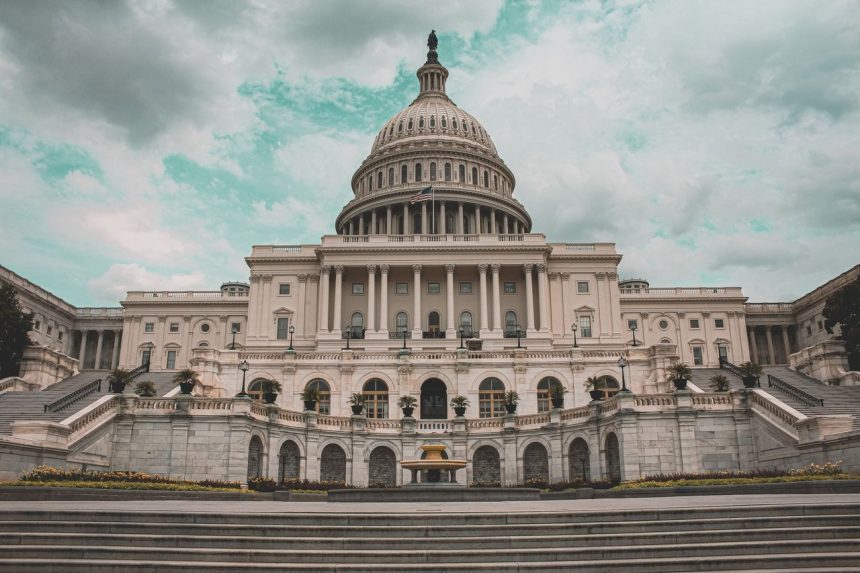
Democrats won control of both chambers of the United States Congress in the midterm elections held on November 3, 2026, according to Associated Press coverage updated the following day. The result represents a major setback for President Donald Trump and the Republican Party, creating a new political balance in Washington at the start of the next legislative term.
The Democratic gains included victories in states that have traditionally leaned Republican, including Kansas, Iowa, Texas, Ohio, Maine, North Carolina and South Carolina. Several races had not yet been definitively called in the latest reporting, but the party had secured enough victories to take control of the House of Representatives and the Senate.
The shift gives Democrats control over the congressional agenda and increases their ability to investigate the administration, challenge executive policies and shape negotiations over legislation. It also creates a more difficult environment for the White House on economic policy, foreign affairs and government oversight.
A new balance of power in Washington
Congressional control is expected to change the relationship between the White House and Capitol Hill. With Democrats leading both chambers, the administration will face opposition in committees and on the floor, particularly on issues involving inflation, the cost of living, economic rules and the use of federal resources.
According to Associated Press reporting on the election results, the outcome also reflected voter concerns about the war with Iran and the broader direction of U.S. foreign policy. A Democratic Congress could increase scrutiny of decisions involving the conflict, including the administration’s use of public funds for overseas operations.
The change does not mean that Democrats will be able to enact their entire agenda without resistance. Legislation will still require negotiations within Congress and, in many cases, cooperation from the White House. The new majority’s practical influence will depend on its internal cohesion, committee leadership and ability to maintain support for specific measures.
Voters punished Republicans but did not offer a clear mandate
The election results point to dissatisfaction with the Republican administration, but they do not necessarily represent broad approval of the Democratic Party. An Associated Press analysis of voter concerns found that the economy and the condition of American democracy were among the central issues for voters. About six in 10 respondents disapproved of the way Trump was handling the presidency.
At the same time, the findings indicated that many voters continued to hold reservations about Democrats. That combination helps explain the scale of the Republican defeat without turning the election into an unequivocal endorsement of the opposition party’s program.
The result therefore leaves both parties with clear challenges. Republicans must respond to the loss of congressional power and evaluate the political cost of the administration’s policies. Democrats, meanwhile, must demonstrate that their control of Congress can produce concrete results on the issues that motivated voters, particularly prices, household finances and confidence in democratic institutions.
Possible effects on markets and Brazil
The new congressional configuration may also influence expectations in financial markets. A divided political environment between the Democratic Congress and the Trump administration could affect perceptions of political risk, U.S. fiscal decisions, interest rates and the dollar. Energy markets may also react to uncertainty surrounding American foreign policy and the conflict with Iran.
Another Associated Press report on the initial market reaction described the result as relevant to investors assessing the next phase of U.S. policy. The effects on exchange rates, oil prices and financing costs will depend on the measures eventually approved and on how the White House responds to the new congressional majority.
For Brazilian readers, changes in the U.S. dollar, oil prices and American interest-rate expectations can have international consequences, including potential effects on exchange rates, imported goods and the cost of global financing. The election itself does not establish a specific economic impact on Brazil, but decisions made by the new Congress could influence the environment in which markets and bilateral relations develop.
Democratic control of the House and Senate will take effect with the next legislative term. Until then, the final certification of remaining races and the organization of the new congressional leadership will determine the precise size of the majorities and the committees that will oversee the administration.