

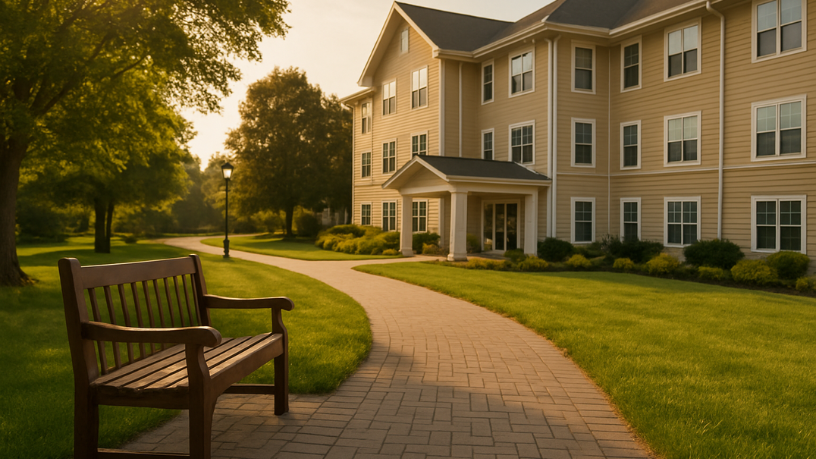
As noted by specialist Alex Nabuco dos Santos, the senior living category gains traction when care is translated into measurable comfort and controlled costs. If you want to position your portfolio securely, keep reading to understand how to align product, operations, and neighborhood to deliver quality of life today and asset value tomorrow.
Senior Life: Why Is Demand Increasing?
Brazil is aging, and families’ income levels demand solutions that preserve independence while providing professional support. Senior living communities offer essential services, accessibility, and locations close to healthcare facilities and neighborhood commerce. The result is stable occupancy, lower turnover, and purchase decisions anchored in concrete evidence of well-being.
Active Aging: Design That Encourages Movement, Connection, and Rest
Straight circulation paths, continuous corrections, properly oriented ramps, and dedicated elevators reduce falls and increase autonomy. Multi-purpose rooms, ateliers, and shaded outdoor areas encourage social interaction and light physical activity. Residents experience a greater sense of subjective safety and a more organized rhythm of life, with space for visits, reading, and daily walks.
Professional Operations: Where Care Becomes Standard
Light nursing routines, 24-hour assistance, activity programs, and nutritional monitoring elevate perceived value. Clear manuals, emergency protocols, and trained staff reduce friction between families and management. From the perspective of entrepreneur Alex Nabuco dos Santos, simple governance, predictable costs, and transparent communication of quality indicators strengthen trust and long-term confidence.
Location and Walkability: Essential Services Just Minutes Away
Neighborhoods with continuous sidewalks, safe crossings, pharmacies, markets, labs, and clinics reduce stressful commutes. Well-placed transit stops and flat routes encourage short walks. Proximity to tree-lined squares increases time spent outdoors and helps structure a weekly routine without depending on a car.

Environmental Comfort: Noise, Light, and Temperature Under Control
Properly protected window frames, calibrated acoustic insulation, and solar control through louvers and curtains reduce noise and glare. Indoor environments maintain stable temperatures, improving comfort and well-being. Low-transmission materials and adequate ventilation enhance air quality—an essential factor for those with increased respiratory sensitivity.
Senior Living as a Safe Investment
Recurring revenue, low vacancy rates, and well-structured contracts create predictable cash flow. Portfolios combining owned units with specialized operations dilute risk. According to specialist Alex Nabuco dos Santos, developments located near health and education hubs, with clear access routes and neighborhood commerce, form a foundation that protects price per square meter and resale liquidity.
Communication That Turns Care Into Decision-Making
As entrepreneur Alex Nabuco dos Santos notes, sales materials must present navigable and accurate floor plans, short videos showing natural light throughout the day, bathroom ergonomics, and examples of how common areas are used. Neighborhood guides with real timing to clinics and labs replace doubts with facts. Clear contracts, objective living rules, and transparent service protocols complete the customer journey.
Efficiency That Shows Up in Operating Costs
Native landscaping, rainwater capture for non-potable uses, and dimmable LED systems reduce expenses. Simplified waste management, support bicycles for staff, and accessible routes strengthen daily operations. As explained by Alex Nabuco dos Santos, environmental efficiency that becomes tangible comfort increases satisfaction and generates organic recommendations among families.
Assisted Autonomy as a Value Strategy
Senior living thrives when architecture, operations, and neighborhood work together for the resident. As Alex Nabuco dos Santos concludes, differentiation comes from what is verifiable: quiet bedrooms, balanced lighting, simple routes, present staff, and controlled costs. Prioritizing locations with nearby essential services, efficient layouts, and transparent governance is how daily care translates into preference, stable income, and long-term trust.
Author: Bergezin Vuc