

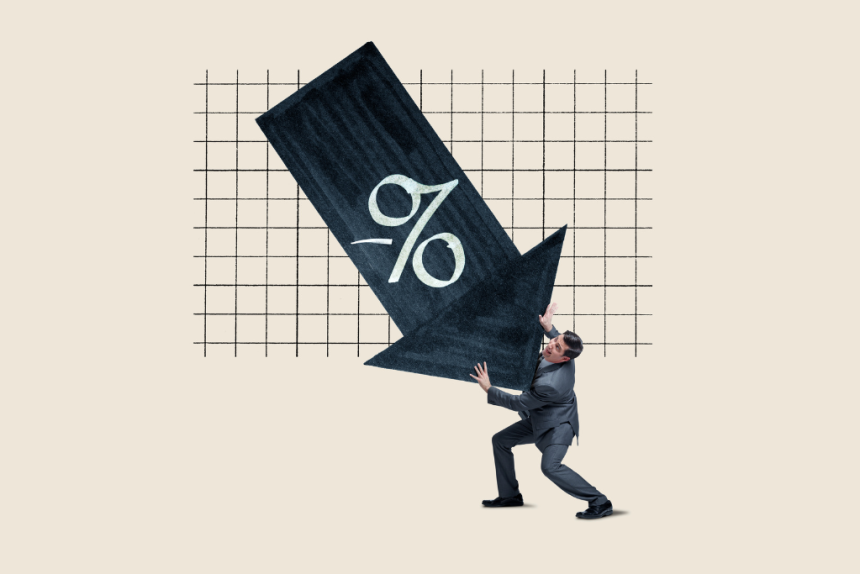
The debate over consumer credit reached a new level of intensity in 2026 as policymakers, banks, and households collided over the growing burden of borrowing. Credit card balances have climbed to historic levels while interest charges have become one of the fastest-rising expenses in household budgets. For millions of families, carrying a balance from one month to the next now represents a structural financial challenge rather than a short-term inconvenience. This shift has pushed financial behavior into the center of political and economic discussions, transforming everyday credit decisions into a national issue with long-term consequences.
Financial institutions argue that the pricing of revolving credit reflects risk, inflation, and capital costs, but consumers experience it as a constant drain on income. Each increase in borrowing costs makes it harder for people to escape the cycle of minimum payments and growing balances. Even households that manage their finances carefully can find themselves exposed when unexpected expenses collide with elevated interest charges. The result is a widening gap between income growth and debt service, a dynamic that reshapes spending patterns and household stability across the economy.
At the same time, borrowers are becoming more proactive in responding to this environment. Instead of passively accepting the conditions set by lenders, more people are questioning their rates, requesting adjustments, and exploring alternative products. This marks a cultural shift in consumer finance, where negotiation and comparison shopping are no longer limited to mortgages or auto loans but are now part of everyday credit card management. In a high-cost credit landscape, information and initiative have become valuable financial tools.
Another important trend is the growing use of balance restructuring as a defensive strategy. Many cardholders are moving debt between accounts to limit how much interest accumulates over time, using promotional offers or structured repayment plans to regain control. While these tactics do not eliminate debt, they can slow its growth and provide breathing room for households under pressure. This tactical approach reflects a broader awareness that managing interest exposure is just as important as managing spending itself.
Economic uncertainty also plays a role in how people think about credit. When inflation, job markets, and market volatility remain unpredictable, households are less willing to absorb rising borrowing costs without a plan. This has increased demand for financial education, budgeting tools, and advisory services that help people understand the real cost of carrying debt over time. In this climate, credit is no longer seen as a convenience alone, but as a risk that must be actively managed.
From the perspective of the financial sector, this new consumer behavior forces banks to adapt. Institutions now face customers who are more informed, more willing to move accounts, and more focused on cost transparency. This competitive pressure can lead to more flexible terms and new product designs aimed at retaining customers in a highly sensitive rate environment. What once seemed like fixed conditions are becoming increasingly negotiable as market dynamics evolve.
The broader economy is also affected by this transformation. High interest burdens reduce disposable income, slow consumer spending, and can amplify financial stress across entire communities. When large segments of the population devote more of their income to debt service, less money circulates through retail, housing, and services. This creates feedback loops that influence economic growth, making credit conditions a central factor in national financial health.
As this new era of expensive borrowing continues, the ability to navigate credit wisely has become a defining feature of financial resilience. Consumers who understand their options, monitor their obligations, and act strategically are better positioned to protect their stability. In a world where interest costs can quietly reshape lives, awareness and action are no longer optional — they are essential for long-term financial survival.
Autor: Bergezin Vuc